How Paris Engineered a Global Football Legend
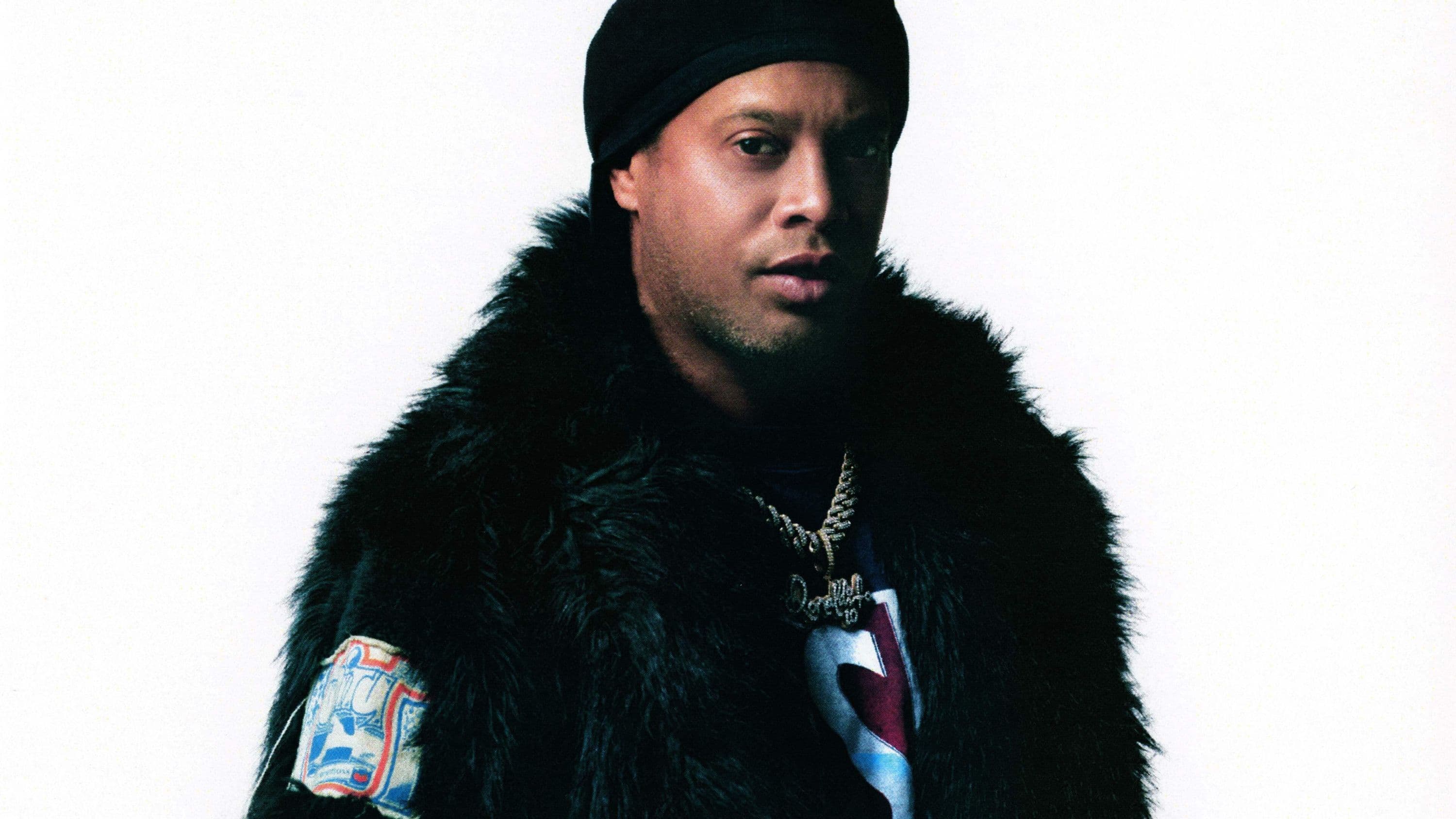
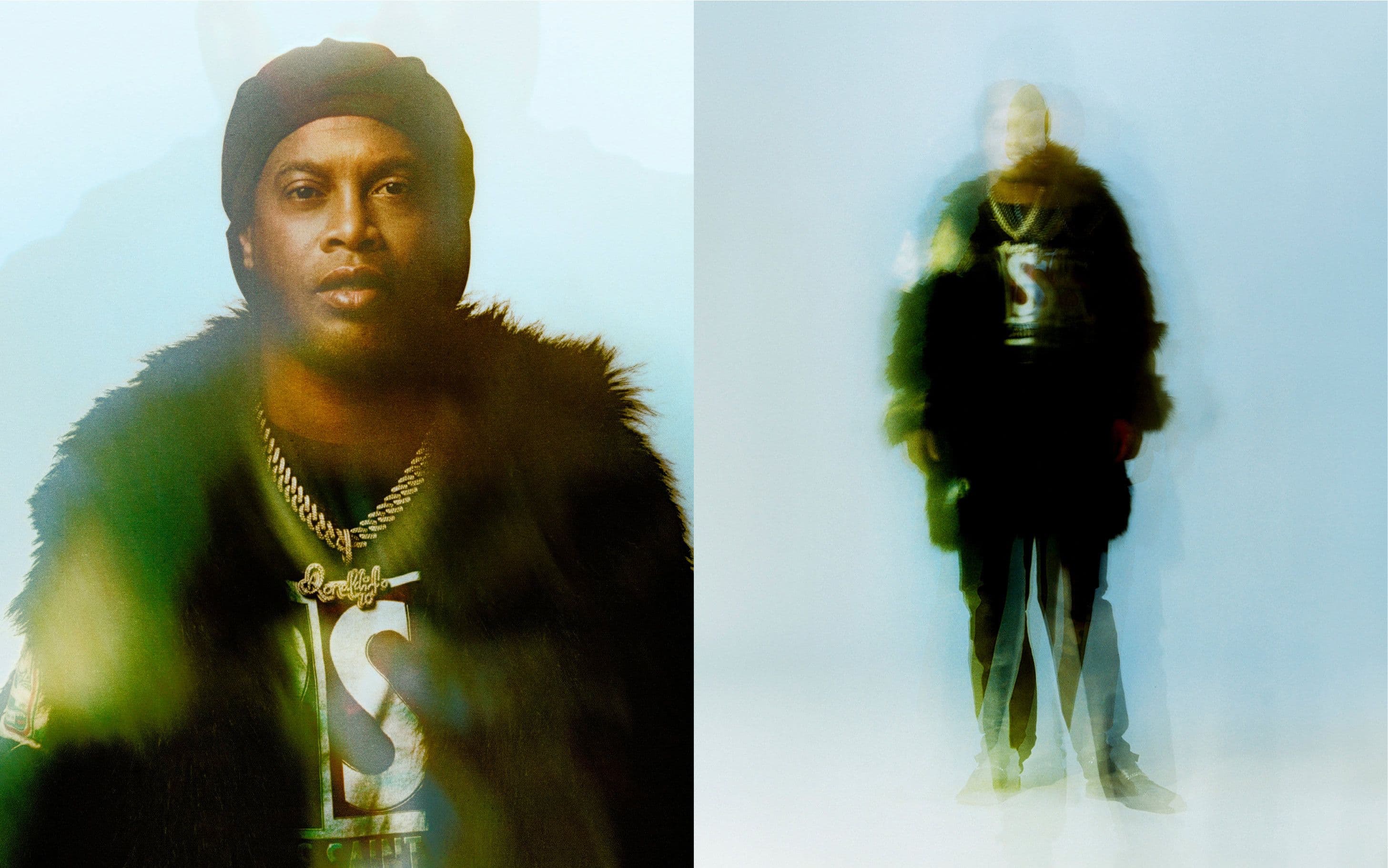
There are some people whose stardom is so powerful, their presence can be felt in a room well before they're even in it. Enter Ronaldinho Gaúcho. Sitting in a spacious suite at Parc des Princes, the atmosphere tangibly shifts when a WhatsApp message affirms the Paris Saint-Germain icon is en route. Now in his 40s, the one Parisians still affectionately refer to as "Ronnie" has gained a few more fine lines and silver threads since his formidable footballing heydays, yet both only serve to enhance his statesman-like gravitas as he floats into the room in a full-length coat. When he flashes that trademark grin for the first time, he radiates enough energy to power the City of Lights and regions far beyond.
"Paris is a city I love," reminisces Ronaldinho, soft-spoken as ever. He first arrived in the French capital as a 20-year-old in 2000, having declined offers from European superpowers to sign for the then-sleeping giant, Paris Saint-Germain. Although the decision to turn down footballing aristocracy surprised much of the onlooking media, for Ronaldinho, the chance of guaranteed first-team opportunities in a World Cup season made perfect sense—that, and it presented the opportunity to follow his older brother, Assis, who had just signed for PSG's Ligue 1 rivals, Montpellier.
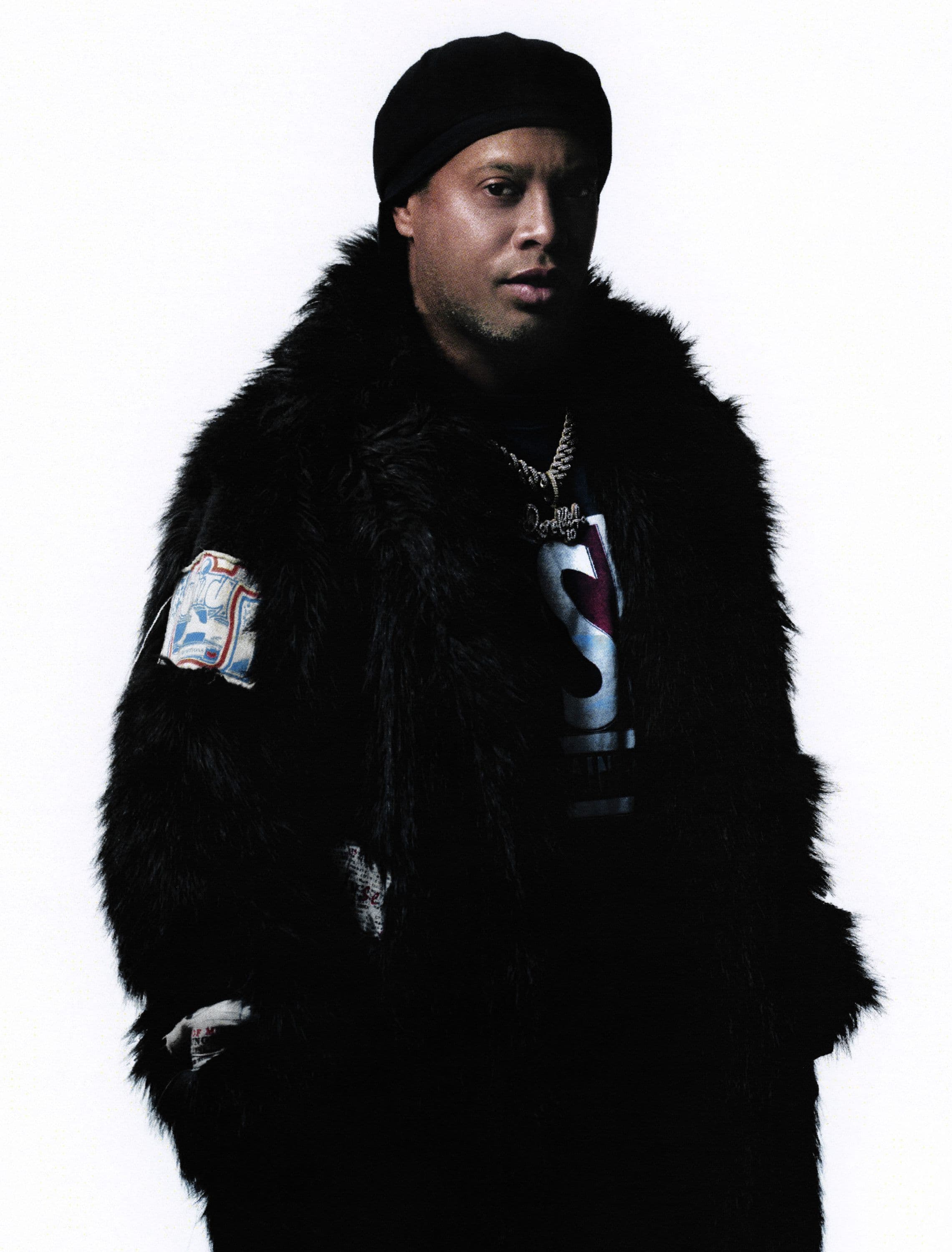
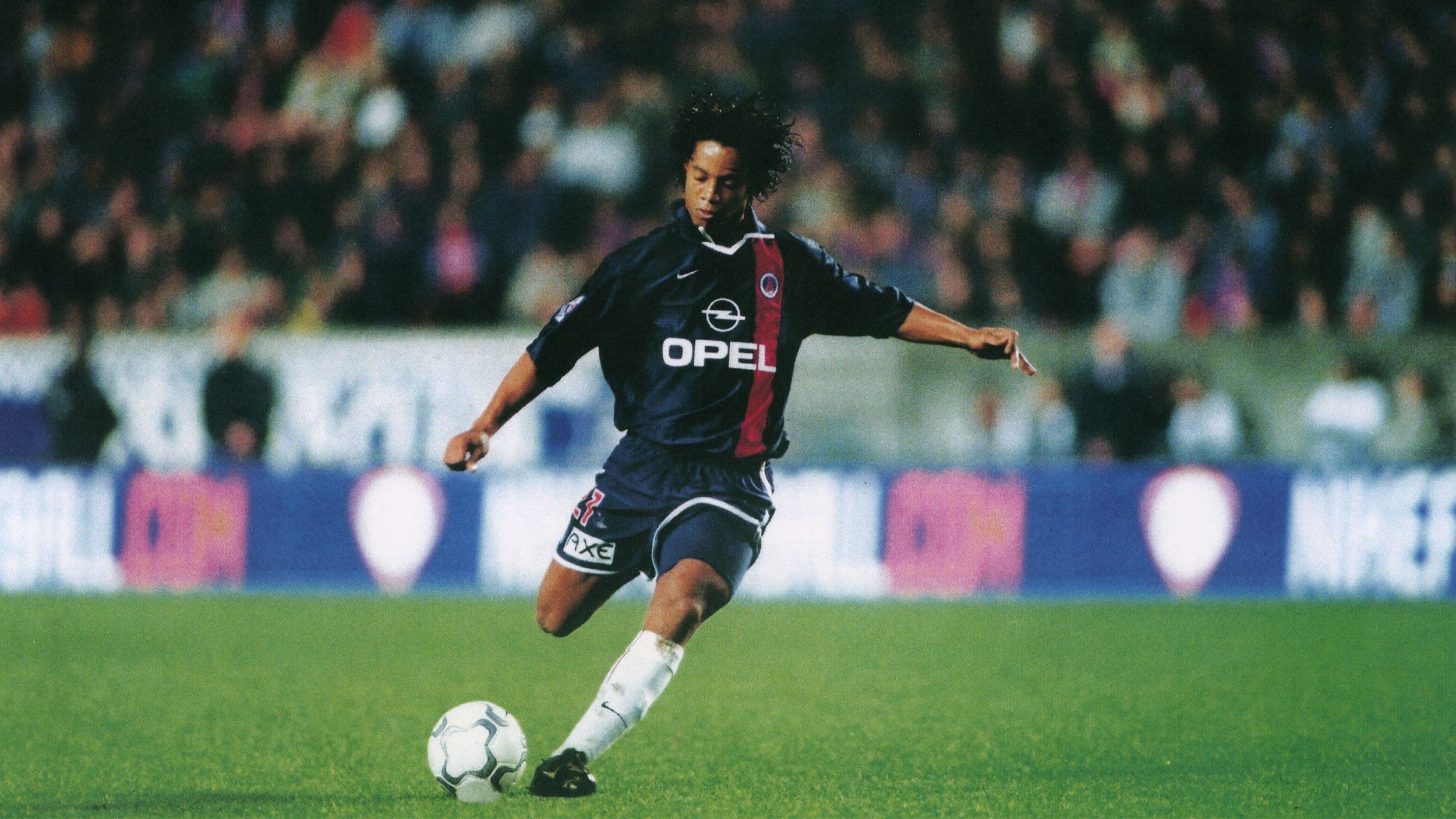
Ultimately, the move would be a pivotal moment in the prodigy's legendary career, with the biting French winters and notoriously robust Ligue 1 style of play serving as an uncompromising lesson in character building. "I learned a lot," says Ronaldinho. "It was tough physically, but it was fundamental for the rest of my career. I remember that my family and I talked a lot and realized this was the best way for me to develop professionally outside of Brazil."
Within six months, the boy wonder had broken into the first team, demonstrating the kind of ability that had seen him command global intrigue. "I've worked with some great players in my time and all at a very interesting period in their careers [...] 19 to 20 years old," said Ronaldinho's first coach at Gremio, Celso Roth. "But, with due respect to the others, Ronaldinho was a cut above the rest."
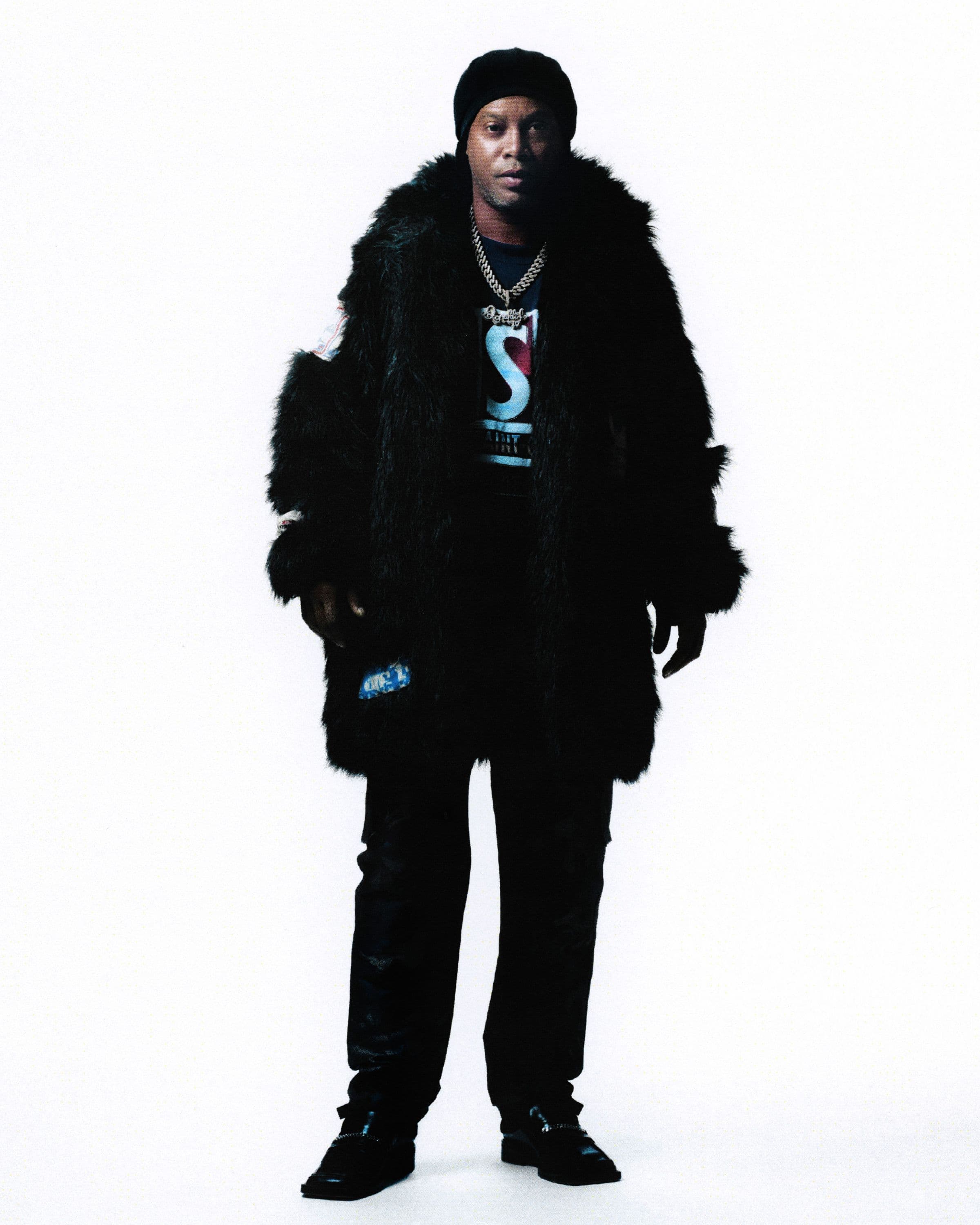
"My relationship with the supporters is special and I have so many fond memories."
In terms of pure skill, it's difficult to think of any footballer in history who was as visually spectacular. His interpretation of the game was not about robotic, humdrum tactics or rote talk of pressing and counter-pressing, but defiant joie de vivre. For the better part of two years, he lit up stadiums throughout France, scoring gravity-defying free kicks and audacious chipped goals, regularly confounding the opposition with his signature "flip flap."
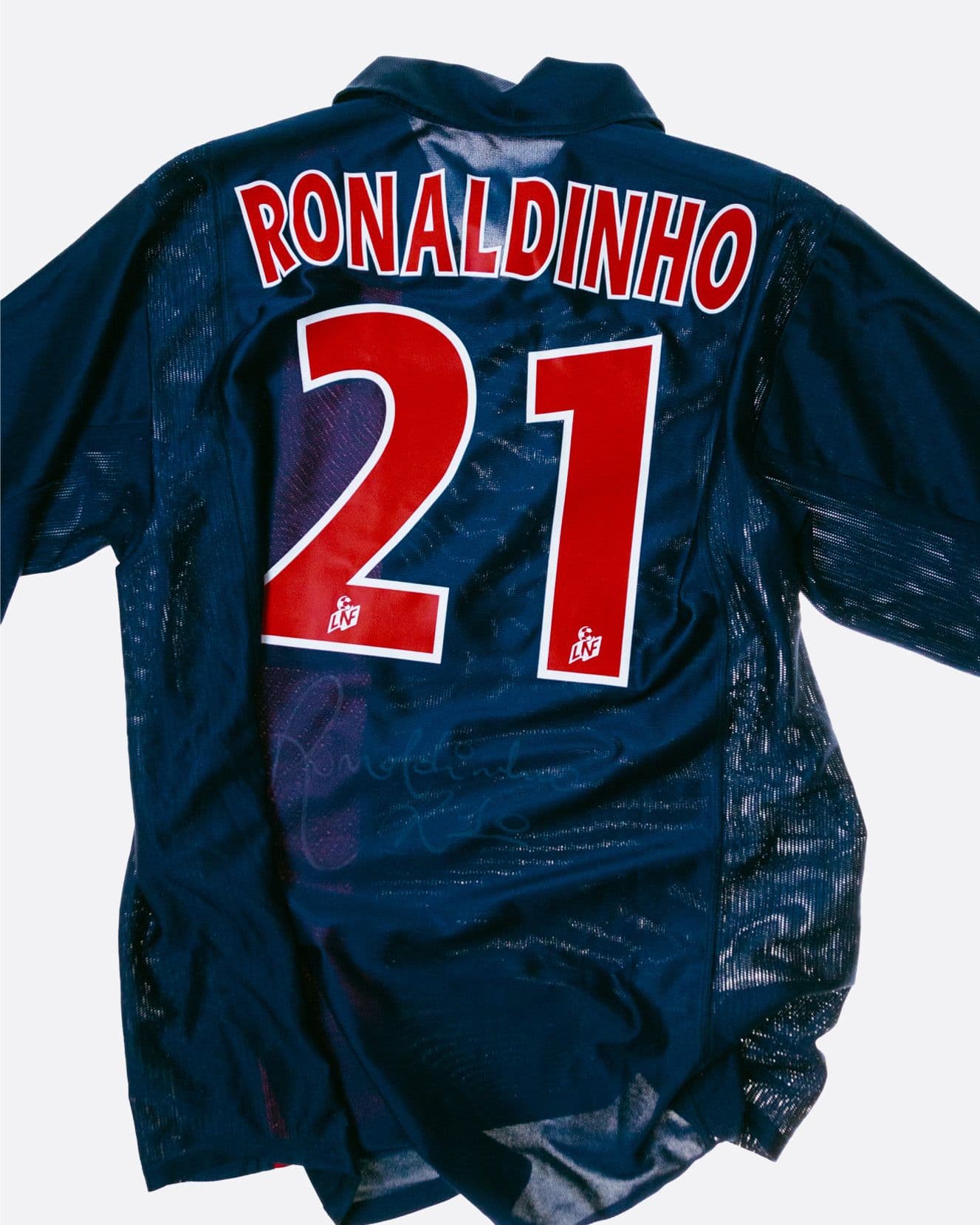
It's almost footballing sacrilege to consider Ronaldinho in any other number than the iconic 10, which makes photos of him wearing 21 during his early days in Paris an almost jarring curio. Initially occupied by the supremely gifted Jay-Jay Okocha—a mentor to the young Brazilian in his early years—Ronaldinho would need to wait until the Nigerian's departure to take his rightful jersey, cementing his status as the team's creative playmaker and star attraction in the process. "I've always loved playing with the number 10 jersey," says Ronaldinho. "Jay-Jay has always been a great companion and friend. He welcomed and encouraged me."
In a league match away to Guingamp on a beaten-up pitch with more dirt than grass during a cold February day in 2003, Ronaldinho left fans stunned when he picked up the ball on the halfway line, dribbling past a teenage Didier Drogba, before taking on a crowd of defenders and calmly placing the ball into the net. "It was a special goal because of the way I was able to lift it over the goalkeeper," Ronaldinho shares with a nostalgic grin.
The strike would win the Goal of the Year award, while others went a step further, labeling it as one of the greatest efforts in French football history: a showcase of ambidexterity, balance and strength that could flat-foot even the most nimble gymnast. If there were any lingering doubts, R10 had now truly arrived. "I could list many special games…" reflects Ronaldinho two decades later when asked if it was his favorite moment at PSG. "I remember a victory against Rennes, which is another highlight. I scored a free kick and we won 2-1."
Off the pitch, his stardom was nearly unprecedented. When word got out that Ronaldinho was out shopping, hundreds of kids would convene upon the store, eager to catch a glimpse of their idol. "I was always very well received in Paris, the kids in particular were always friendly," smiles Ronaldinho. He'd be unmistakable on these excursions, pairing vests and sportswear with jeans and a backwards baseball cap, fully embodying his free-spirited style of play. Adding a further dose of flair, a signature necklace would often dangle from his neck, with a diamond-encrusted "R" pendant attached. The city itself added yet another layer of aesthetic inspiration for the rising Brazilian.
"The only words that come to my mind when thinking of Paris are joy, joy and joy."
"Paris has beautiful places. My favorite neighborhood is Bougival, where I lived and was very happy." The quaint town in Yvelines he speaks of is situated some 10 miles from the city center. It would eventually become the place where his former Brazil teammate, Neymar Jr., set up base, moving into the same house previously occupied by Ronaldinho during his time with PSG. The low-key environs could be considered something of a sanctuary given the incessant attention both icons commanded in the goldfish-bowl atmosphere of the big city—but Ronaldinho never took the fans' love for granted.
"My relationship with the supporters is special and I have so many fond memories," says Ronaldinho. "It's one of the main reasons Paris is very dear to me." All things must come to an end, however, and in 2002, having become only the third player in history to win the World Cup while wearing the PSG jersey, he would head to Barcelona. Appropriately, he would go on to win the only Champions League title of his career with Barca in 2006, emerging victorious in a final played at Paris' Stade de France.
Paris has become accustomed to footballing superstars in recent years, but in Ronaldinho, Parisians found a kindred spirit who embodied the beauty, style and elegance of their home. "The only words that come to my mind when thinking of Paris are joy, joy and joy," says Ronaldinho. "I made great friends both on and off the pitch, with so many amazing memories. I was so happy here." For the People of Paris, the adoration is entirely mutual.
Discover more from 'People of Paris' 2023-24, including Sarah Andelman's re-release of the colette x PSG jersey.