10 Years of Style With Erica Ohmi

Footwear has always been a signal of knowledge, identity and culture in motion. In modern times, shoes have driven style shifts both micro and macro, spurring the evolution of archetypes and reshaping the way people get dressed.
We invited 3D illustrator Erica Ohmi to interpret these landmark moments as 10 digital artworks, decoded with the insights of industry peers. From the loafer’s role in reclaiming minimalism to the rise of tech runners, the rebirth of power heels and big boots on the luxury runway, the result is a visual canon of the modern style era, spanning cultural narratives and the expression of taste across a generation.
ARCHETYPE 01/10 OFF THE FIELD
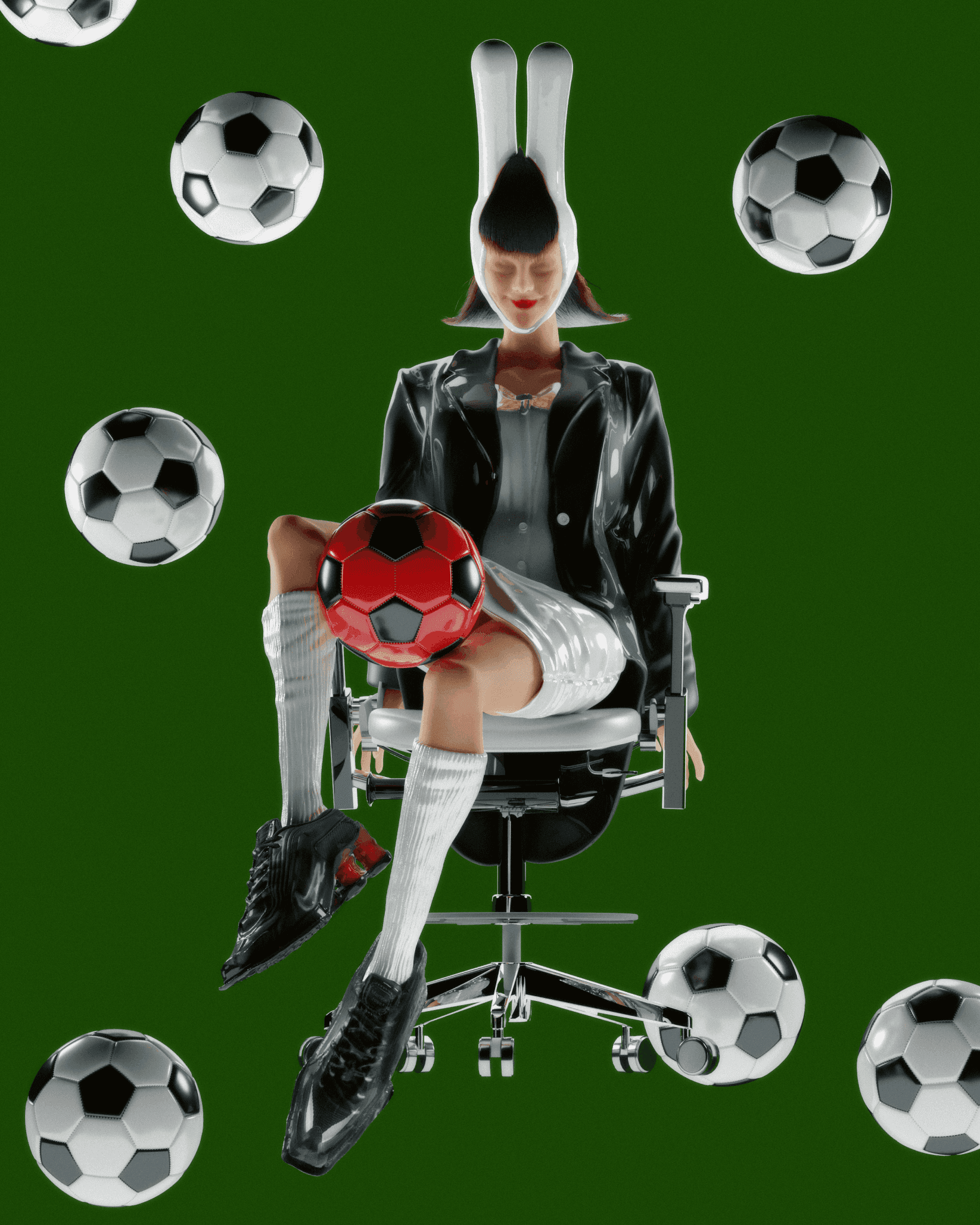
The relationship between sneakers and sports is symbiotic—a quid-pro-quo arrangement that has spawned timeless icons. “Sneaker culture is rooted in sports,” says writer and editor Naomi Accardi. “Most of the iconic sneakers we wear today as lifestyle pieces were originally designed for performance, so in a way they are two sides of the same coin, although the sneakers industry has evolved past the need for athlete endorsement.”
The trickle-down effect of athletic style on the culture at large has always been evident, but it’s in the 21st century that crossover potential has truly exploded. Runways now draw heavily from athletic wardrobes, with soccer jerseys, boxing shorts and everything else in between serving as inspiration for designers. Meanwhile, athletes themselves have gone from novelty guests to regular runway fixtures, as have their appearances in the front row. Never has sporting influence been so pointedly influential, as exemplified by smart designs like Martine Rose’s cleat-inspired Shox Mules.
ARCHETYPE 02/10 THE NEW NORMAL
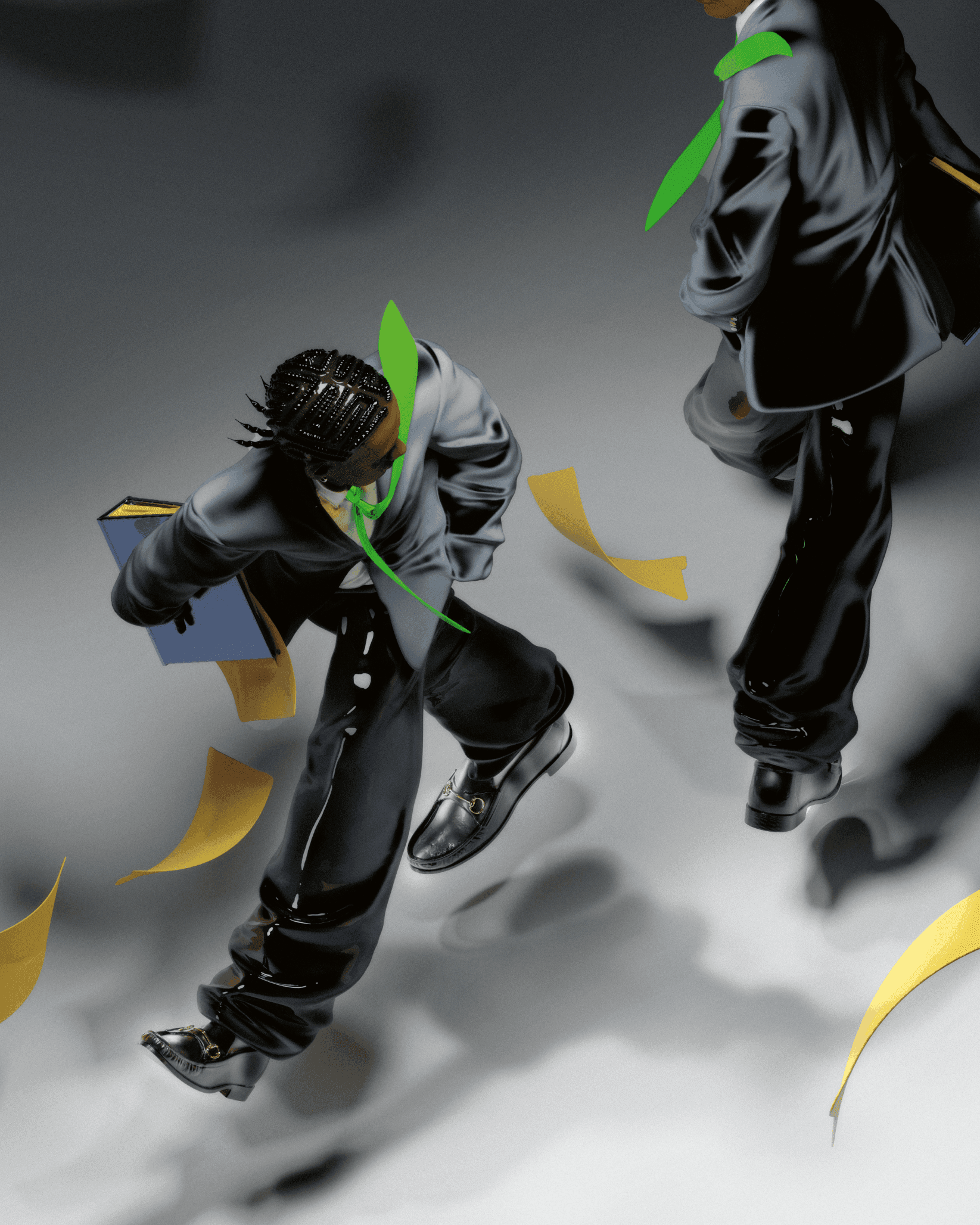
In the late 2010s, many sartorial observers predicted the decline of sneakers and the rise of a footwear landscape dominated by classic styles, with loafers spearheading the change. That didn’t quite happen. However, a broader appreciation for formalwear has ignited an evolution. Silhouettes like the Gucci Horsebit and Celine Luco have made inroads into casual-minded fashion universes that may have once considered them stuffy, with the knock-on effect leading to previously unthinkable sneaker-loafer hybrids.
In tandem, if you’ve invested in a formal shoe, basic logic suggests you’ll dress it up in an elevated way too—pairing it with tailored trousers or a sharp blazer. Luxury consultant Christopher Morency points out that might not be the case, as when it comes to styling a smart shoe today, all bets are off. “These traditional styles are a blank canvas that lets the wearer’s style speak,” Morency notes. “Loafers will never go away. Their wide cultural adoption by different tribes over various decades—from Ivy League to 1960s mods, 1990s grunge, low-key luxury and now streetwear kids—is a testament to their future-proof trajectory.”
ARCHETYPE 03/10 DAINTY REBELLION
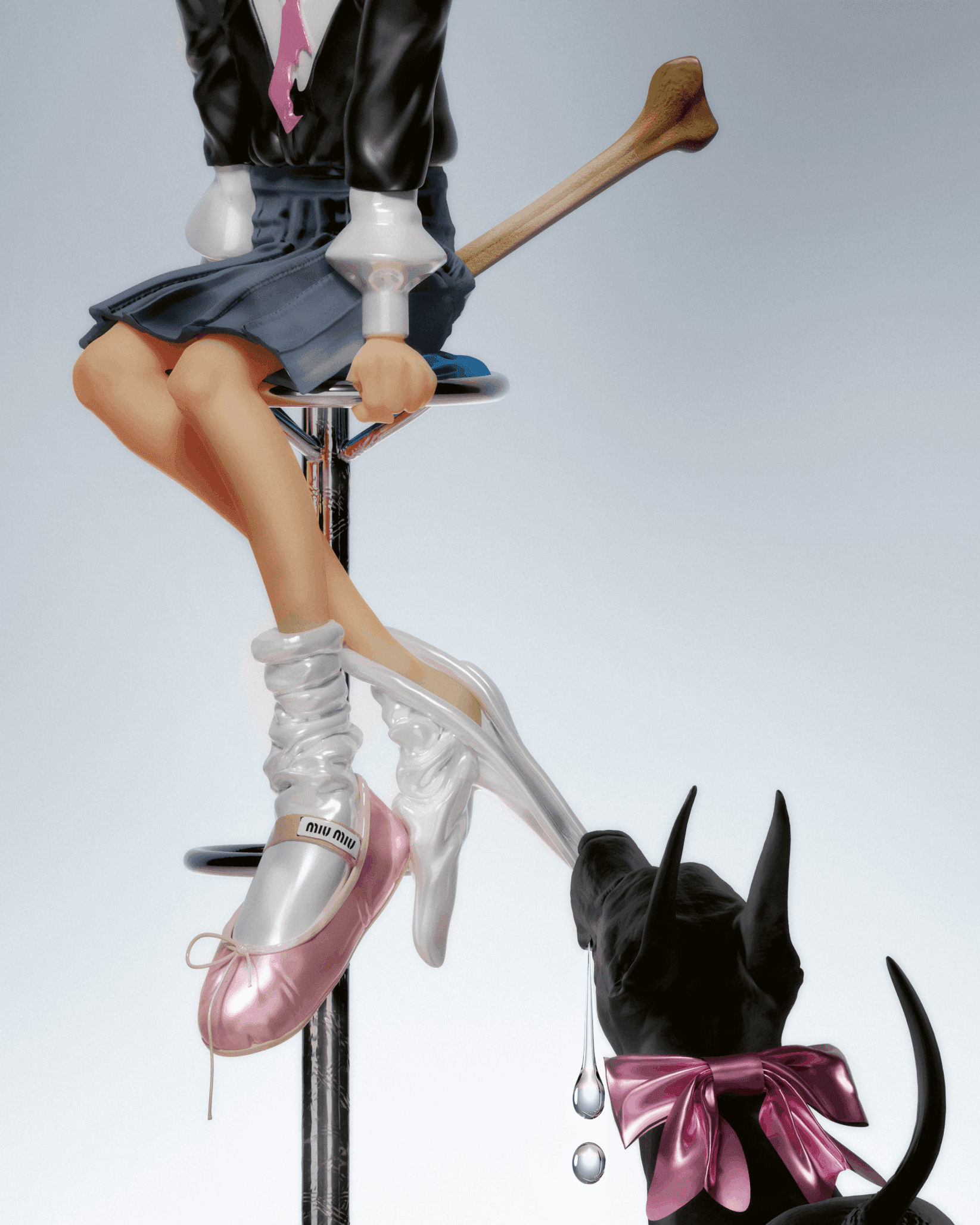
The rise of Barbiecore in 2022 reshaped the cultural landscape, and its influence continues today. With its vibrant and unapologetic embrace of hyper-femininity, the trend set the stage for a broader recalibration of traditionally “girly” aesthetics. Emblematic of this shift is the striking resurgence of the ballet flat—a silhouette that, rather than being worn with a leotard, now goes hand in hand with more structured tailoring for a distinct hard-soft sensibility.
Spearheaded by houses like Miu Miu, the flat has stepped into the spotlight, evolving into an everyday statement of confidence and grace with a touch of quiet rebellion—a signature of house founder Miuccia Prada. This revival has also sparked a broader shift in footwear, inspiring a demand for other aerodynamic styles like the returning PUMA Speedcat. Ultimately, such silhouettes have become the foundation for a new sartorial code, one underpinned by a mood of romance and “softcore” design that still communicates a sense of power.
ARCHETYPE 04/10 FOR THE FUNCTION
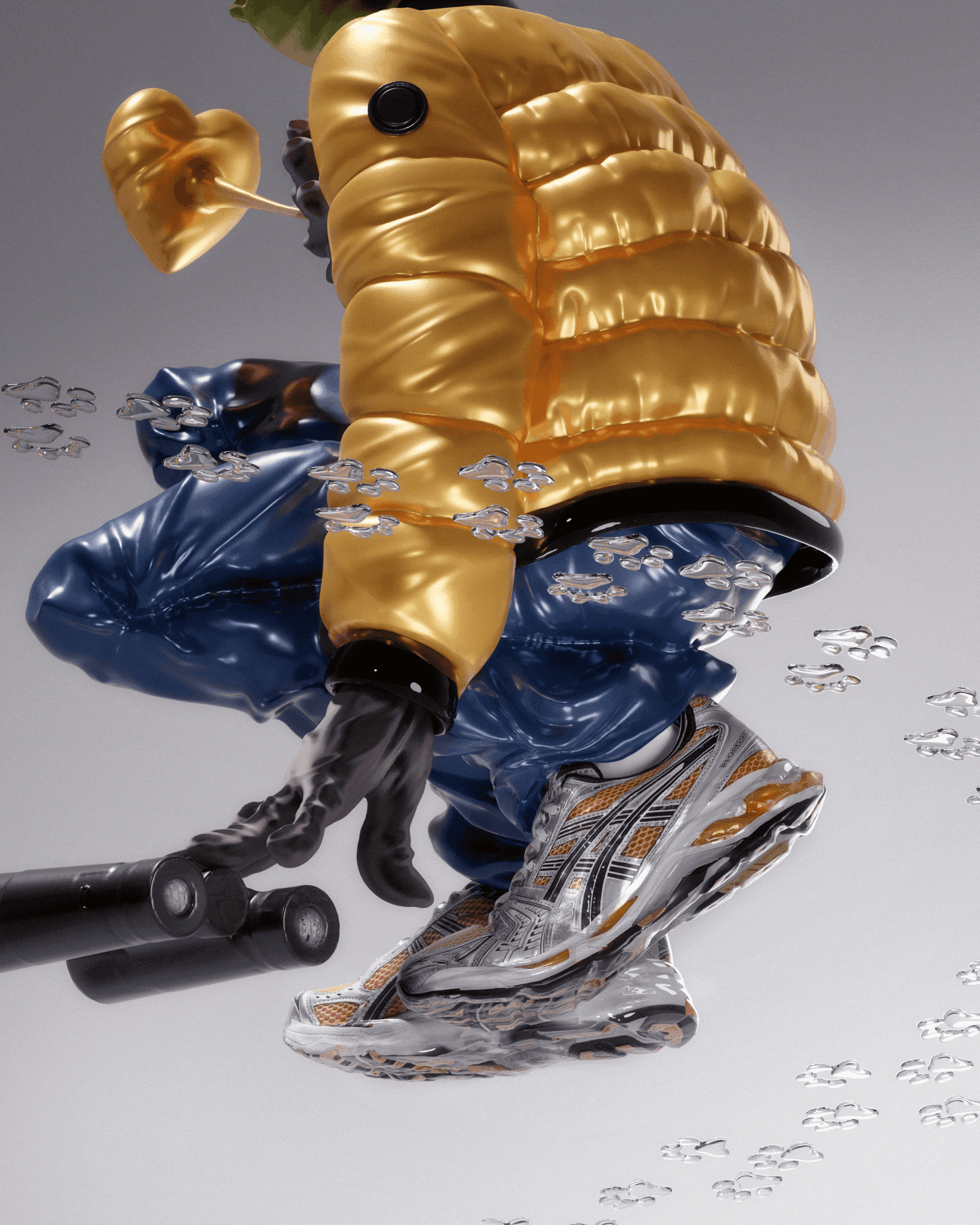
When Frank Ocean turned up to Paris Fashion Week in 2018 wearing an Arc’teryx beanie, Mammut puffer and Diemme hiking boots, he crystallized a major shift toward outdoors-focused dressing. Yet the change had been gaining momentum long before then, with outdoor specialists Salomon and their XT-6 sneakers already a staple in influential style boutiques years earlier. These designs helped pave the way for a new wave of performance-focused brands to enter (or reenter) the space, from Hoka and ON to Brooks and Saucony. Sportswear technicians have followed suit, spearheaded by ASICS and New Balance.
The aligning of personal style with the outdoors can be attributed to many things: terminally online culture prompting a desire to reconnect with nature, the rise of wellness and active lifestyles, and a general craving for authenticity. But ultimately, it looks good and just works—whether you’re navigating city streets or hitting a trail.
ARCHETYPE 05/10 AVANT-GARDE SHAPES
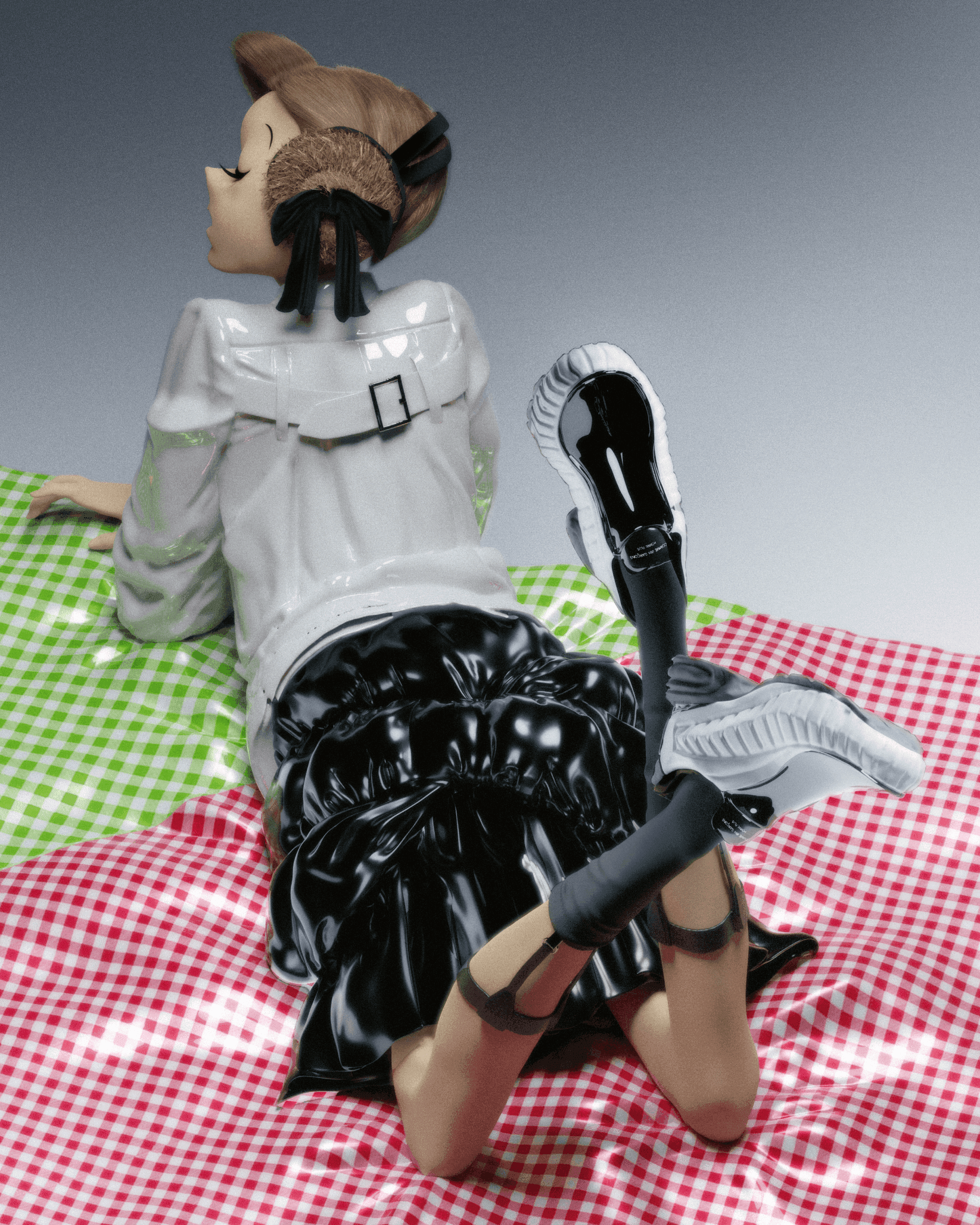
Futurism is so deeply woven into the footwear landscape that it’s easy to overlook just how avant-garde many designs have become. Take Nike’s Air VaporMax from 2017—a flagship release that looked like it could have stepped straight out of a sci-fi movie. That impulse goes back years, with brands vying for the future exemplified by old-school classics like the Reebok Instapump Fury. Yet that same sense of newness feels more tangible than ever. That forward-looking aesthetic has also complemented the rise of a specific kind of technical style—a sleek, all-weather, utility-driven ninja built on monochrome palettes, layered silhouettes and gear that feels ready for any environment (including the UK’s frigid temperatures, which is why it’s a defining factor of the grime-adjacent roadman).
Paradoxically, avant-garde design has become the new normal, even permeating the once-off-bounds luxury space. Footwear designer and Areté founder Myles O’Meally notes, “Before, fashion brands’ sneakers were more or less tennis or basketball shoes with a luxury build but no real performance consideration. However, now you’re really seeing them push the boundaries of design and engineering, using genuine performance function and technology but experimenting in ways sports brands wouldn’t, with silhouettes we all recognize.” Balenciaga is a prime example: “They’re so extreme with shape, proportions, techniques and treatments across very recognizable sporting silhouettes,” says O’Meally.
ARCHETYPE 06/10 CLASSIC MODE
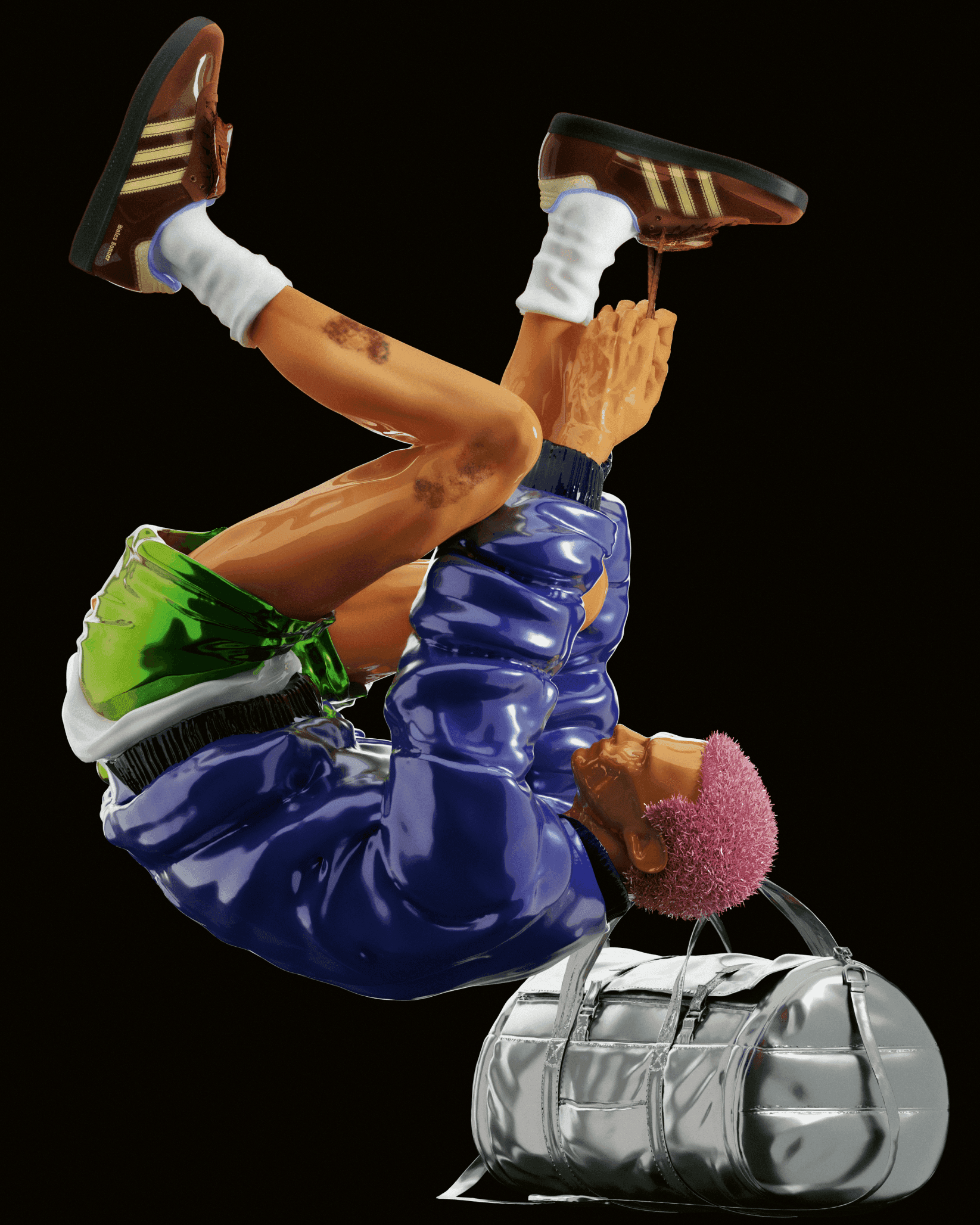
“Classics never go out of style,” says curator Chris Black, pointing to the staying power of century-old sneakers that remain omnipresent. “They can’t be improved on, and are easy to wear.” Even if you can’t fully reinvent a classic, you can bring fresh energy by recasting it in a new light, such as Grace Wales Bonner’s flamboyant revisions of the Samba, or the chameleonic Dunk, which has had more creative reincarnations than most sneakers have colorways.
Black points to the versatility and timeless appeal of shoes like the adidas Stan Smith—a favorite among icons as diverse as Larry David and Phoebe Philo—that’s constantly being reworked in new materials. The same laws apply to the Nike Cortez, a definitive staple of West Coast cool. Adventurously refreshed by Kendrick Lamar as a house slipper, the classic all-white colorway remains a favorite of street style icons like Jeremy Allen White. Whether the original or reworked iterations, such styles are for everybody, and that’s the beauty. The fact that they don’t respond to any set archetype is their very purpose.
ARCHETYPE 07/10 POWER GLAM
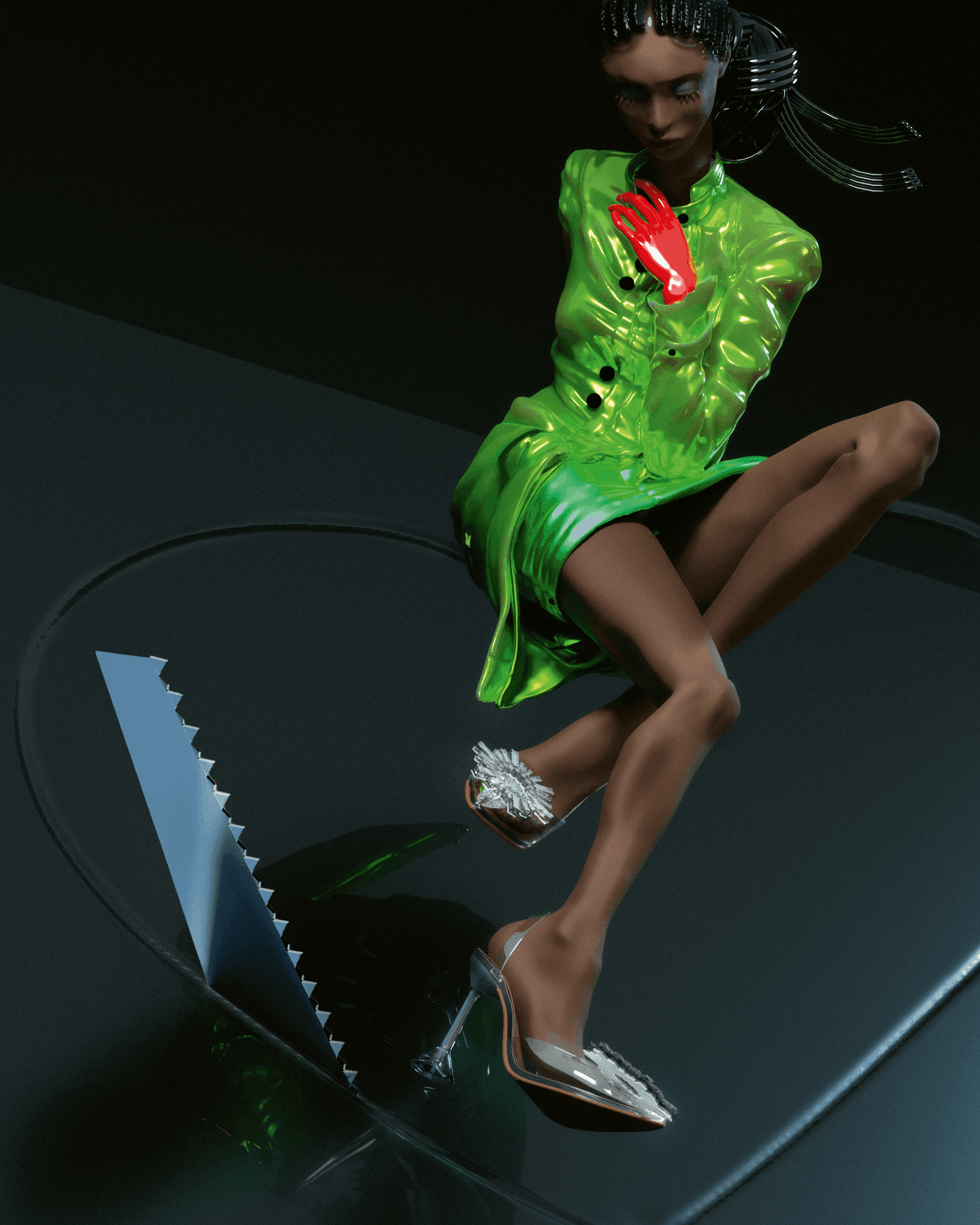
Fashion’s pendulum may often swing toward the subdued, but expression can never be suppressed for long. Glamorous style treats every errand as if it were a red carpet event. This is a world where footwear plays a starring role. Think Carrie Bradshaw’s enduring influence from Sex and the City, with her obsession for Manolo Blahnik heels that continue to inspire both older and younger generations. Glam footwear today ranges from the power-glam elegance of Ottolinger’s flower heels, which offer a bold yet non-male-gaze alternative to the classic Christian Louboutin red soles, to the Amina Muaddi heels that dominated “girly” style in the 2020s.
“Glamorous footwear remains relevant because it allows people to feel glamorous by proxy, serving as a form of self-expression and confidence,” says corporate couture boss Katrina O’Shea, aka @katfromfinance. “Its lasting appeal suggests that future fashion will continue to blend timeless elegance with innovation and individuality.”
ARCHETYPE 08/10 ARTISANAL OBJECTS
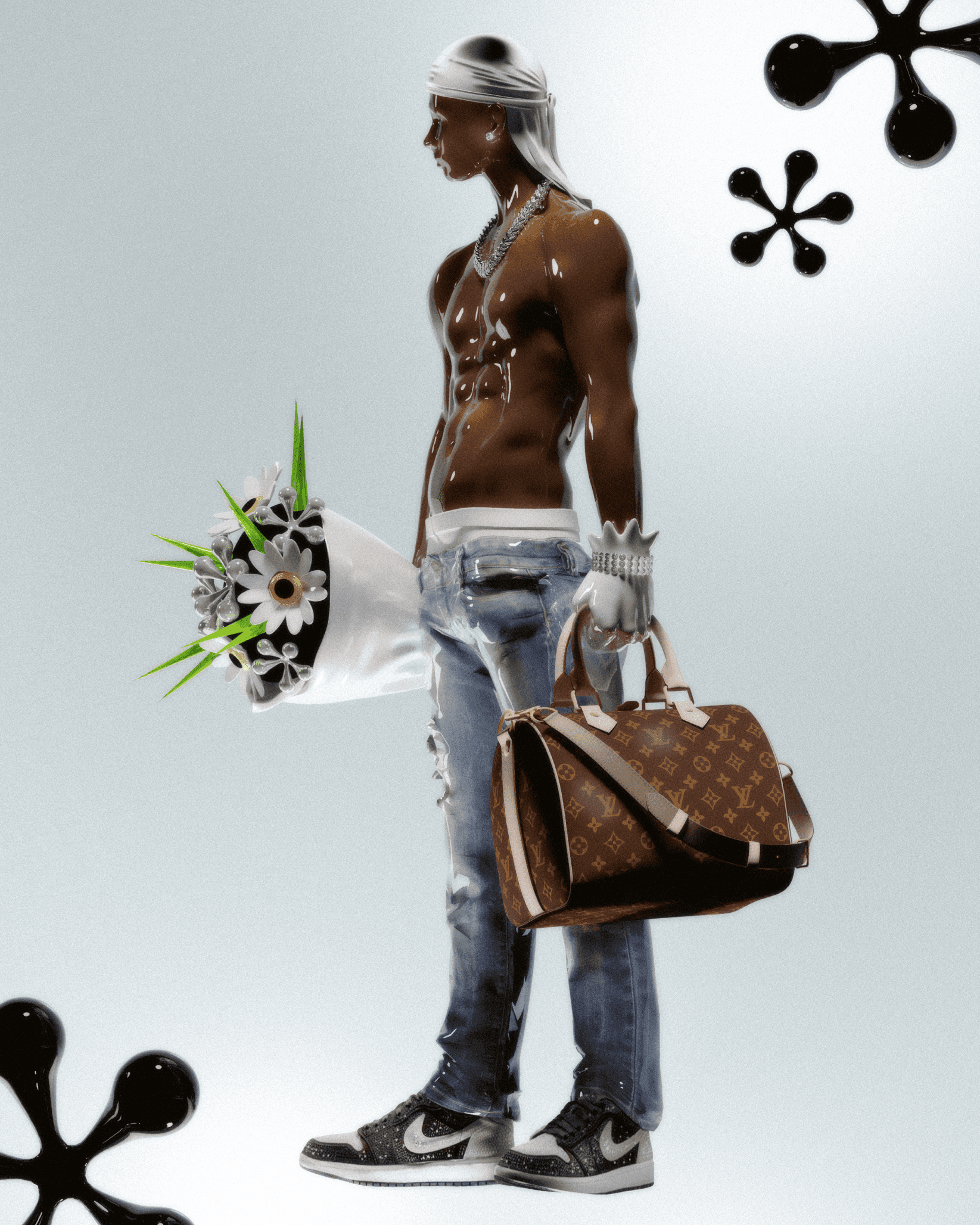
In terms of cultural pedigree, the adidas Yeezy line and Nike x Off-White’s ‘The Ten’ were another level of influence, encapsulating the intersection of design innovation and aspiration that defined sneakers for a generation. “The 350 V2 was the first adidas launch to move a million pairs in a single day,” says Collab Lab founder and sneaker commentator Bimma Williams. “It wasn’t just a design shift, it was a distribution milestone.” Meanwhile, The Kicks You Wear founder Mike Sykes describes ‘The Ten’ as “arguably the most memorable release of all time.”
The energy around both releases supercharged sneaker culture, opening the door to a rarefied era where silhouettes doubled up as objects d’art. Swarovski and Tiffany & Co. brought sparkling, high-end hardware to the scene, while Louis Vuitton, Dior, Prada and other luxury houses reimagined classic silhouettes as made-in-Italy showpieces. It reflected the erasure of the boundary between streetwear and the runway—pairing a Supreme box logo with a status carryall was no longer provocative, but obvious. The thread goes back to Yeezy and ‘The Ten,’ two landmarks that showed the humble athletic shoe could hold the same cultural and aesthetic power as any couture creation.
ARCHETYPE 09/10 COZY SUBVERSION
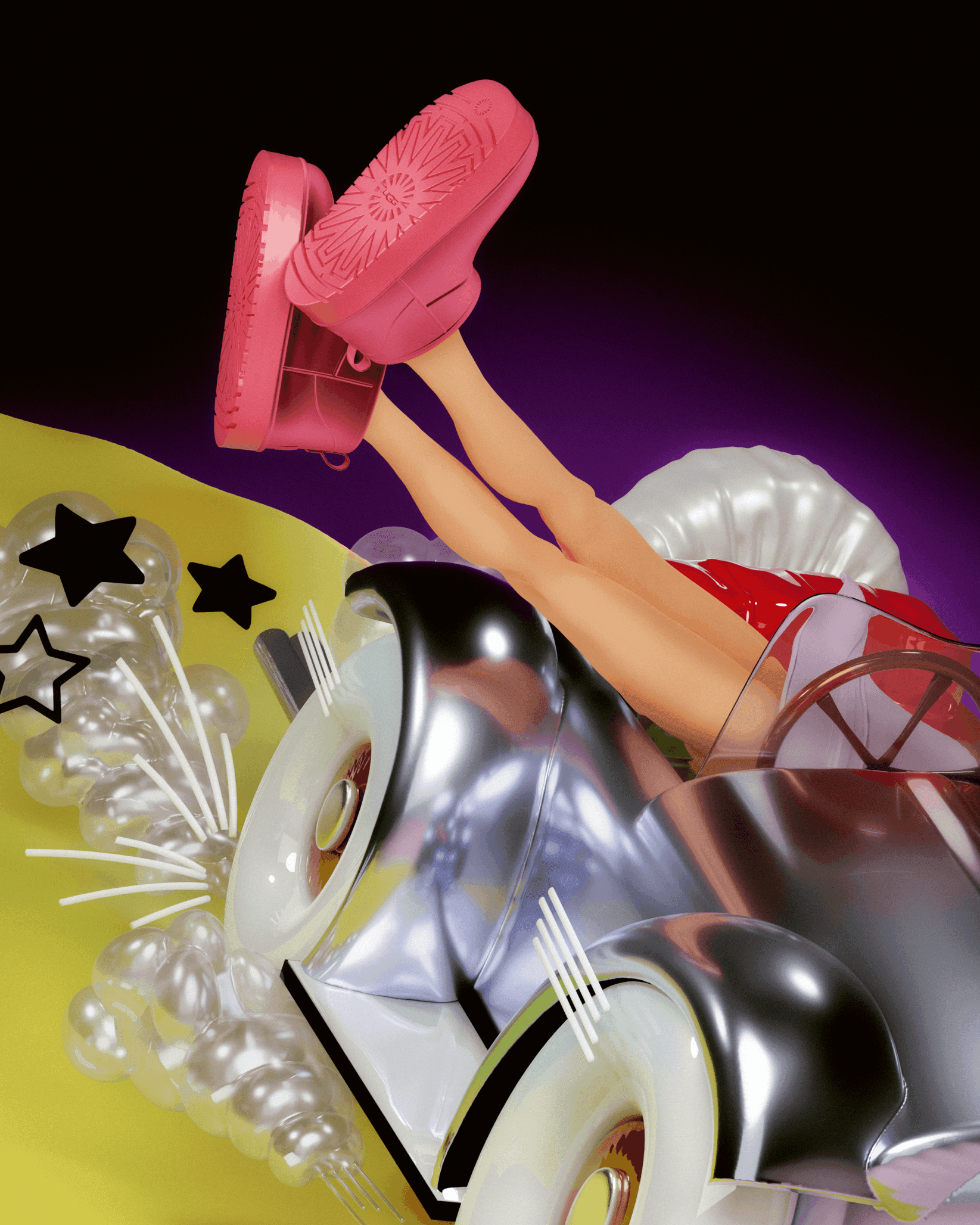
As daily routines slowed and comfort took center stage, coziness became king. The laidback bath robes and carefree slide stylings popularized by A$AP Mob—the progenitor Cozy Boys—have gone from counterculture to contemporary in only a decade. Sweats, sandals and all things puffy have taken the world by storm, regardless of season or activity.
“Comfort has always played a part in what makes certain footwear brands covetable,” says Nordstrom editorial director Jian DeLeon. However, a “strange intersection between orthopedics and hype,” as DeLeon puts it, has made Birkenstocks, Crocs and UGG—once subjects of derision—pillars of an elevated loungewear movement. In the era of wellness, fittingly, the style move of the decade might be prioritizing personal comfort over everything else.
ARCHETYPE 10/10 HERITAGE RELOADED
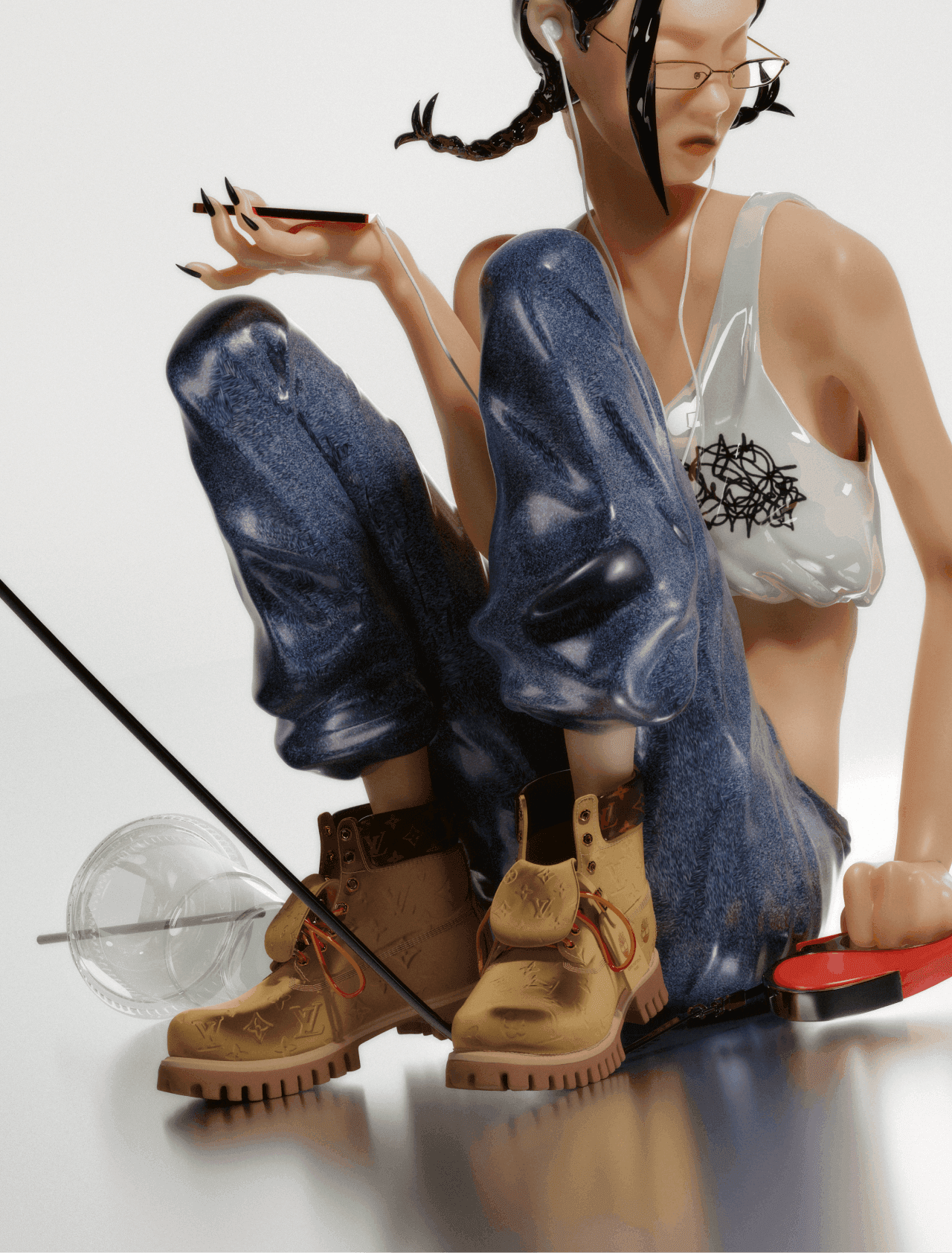
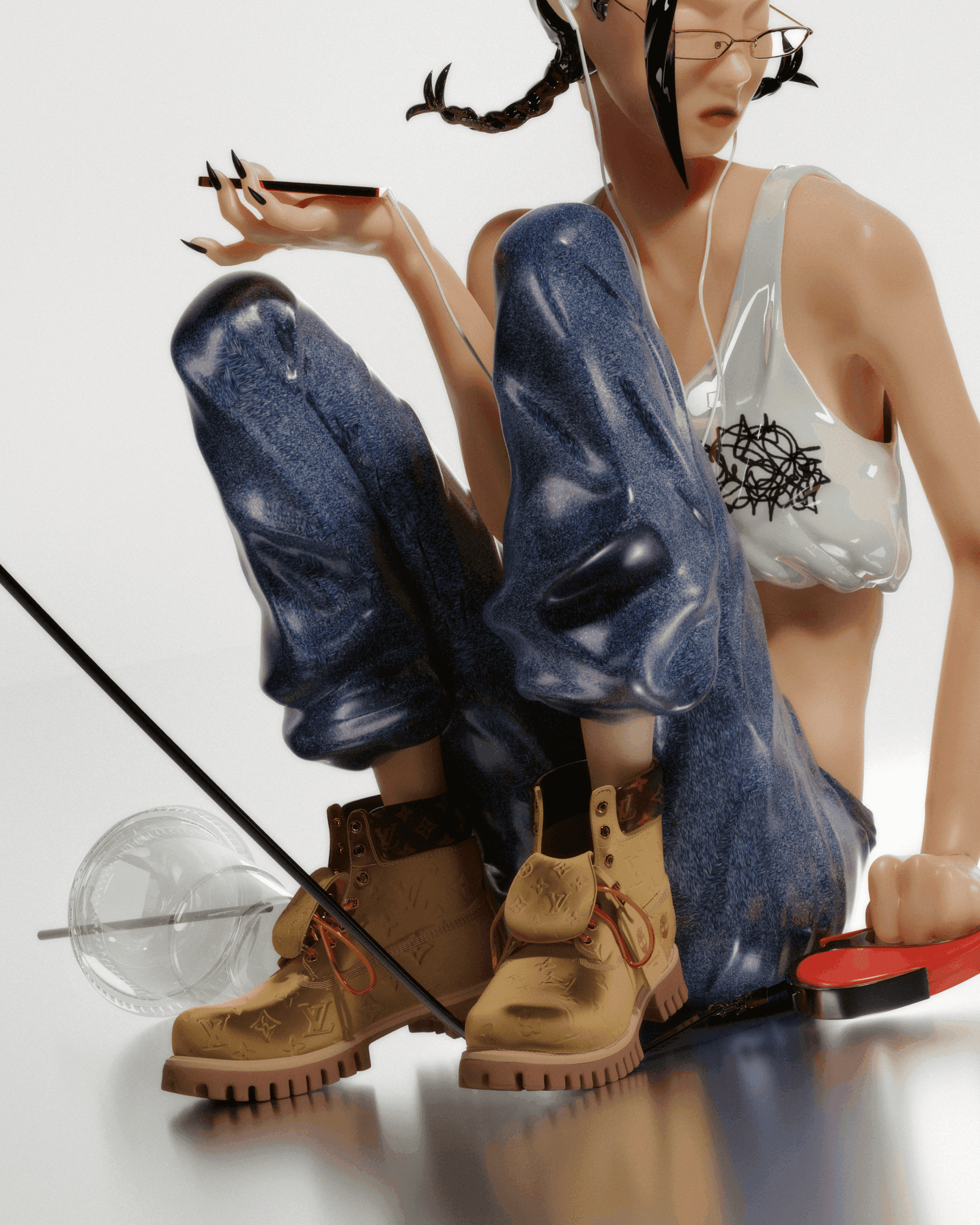
Trends cycle far faster than most people’s closet space or discretionary income can allow for. The secret to claiming a spot amidst such limited real estate? Elevated classics. There’s always room for a luxury upgrade to Timberland 6” Boots as reenvisioned by Louis Vuitton, or an Air Jordan 1 enhanced by the eye of Kim Jones and Dior. Such items manage to be all things at once: foundational, proven staples that also allow for indulgence and opulence. In so doing, they stay firmly rooted outside the realm of fad, and gain the status of masterpieces.